South Korean President Lee Warns “Touch a Korean and You’ll Be Ruined”… Cambodia and South Korea Expand Joint Crackdown on Online Scams

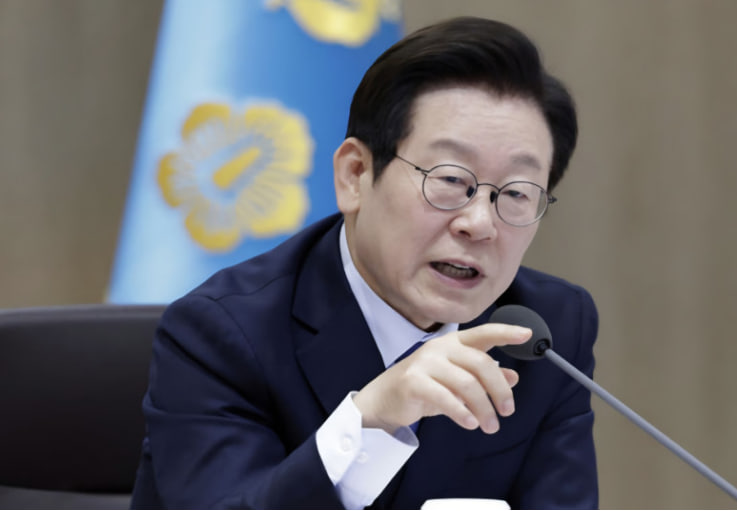
South Korean President Lee Jae Myung has issued one of his strongest warnings yet to criminal networks targeting South Koreans abroad, declaring that authorities must “show that anyone who touches Koreans will be ruined,” as Seoul and Phnom Penh rapidly tighten cooperation against online scam syndicates operating in Cambodia.
Lee’s remarks came after a string of scam-related crimes involving Korean victims. He ordered an all-out response, calling the situation an opportunity to “eradicate scam crime organizations at their roots.” During a press conference with foreign media on Dec. 3, he reiterated that South Korea would “mobilize its full capacity to make clear that harming a Korean national will cost perpetrators far more than they imagine.”
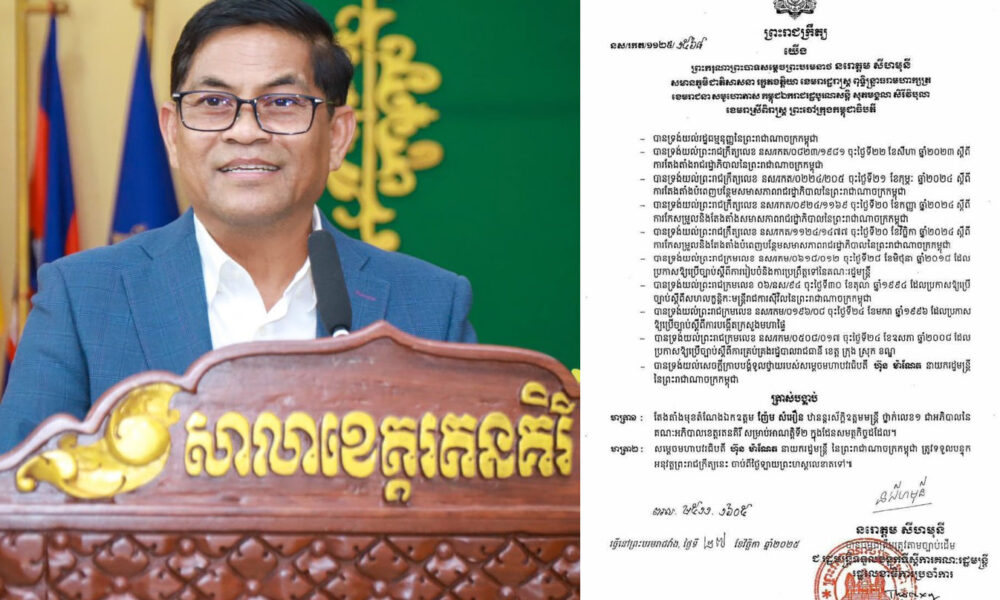
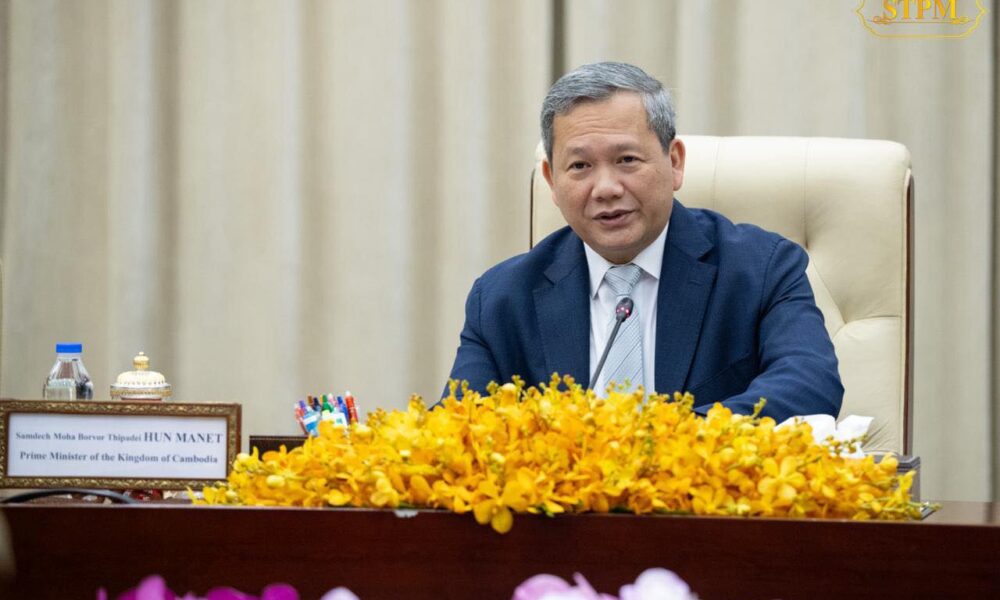
Cambodia has also taken significant actions. In February, Prime Minister Hun Manet launched the Commission for Combating Online Scams (CCOS). The commission has arrested more than 3,400 suspects between Jun. 27 and Oct. 14, signaling Cambodia’s commitment to intensifying its efforts against online scam activities. With both leaders aligned on eliminating scam compounds, the bilateral cooperation will be strengthend further.
On Oct. 18, the South Korean government, working with Cambodian authorities, chartered an emergency flight to repatriate 64 South Koreans who had been detained during a raid on a scam compound. Seoul began investigating their alleged involvement and initiated efforts to trace the broader networks connected to the case.
During the bilateral meeting on Oct. 27 which are held on the sidelines of the ASEAN Summit, Lee and Manet agreed to establish a dedicated system to coordinate responses to scam crimes targeting Koreans. On Nov. 10, the two governments launched the Cambodia-Korea Joint Task Force for Koreans – commonly called the Korea Task Force – as a permanent cooperation channel.
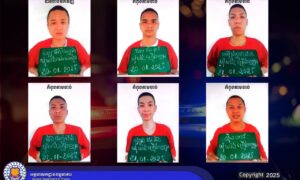
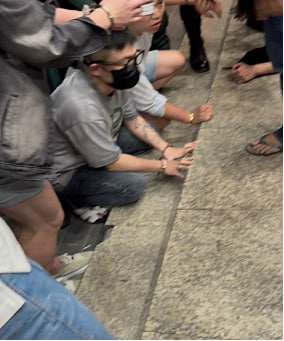
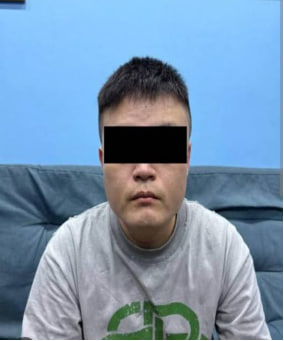
The task force moved quickly, on Nov. 13, it raided the headquarters of the “No-Show” scam group in Sihanoukville, arresting 17 members. On Nov. 28, authorities apprehended nine suspects linked to the death of a Korean university student, capturing them at a restaurant in Phonom Penh’s Chinatown before dawn. The alleged ringleader, ethnic Korean-Chinese national Li Guang-ho, is wanted by Interpol for 2023 drug-trafficking case in Seoul’s Gangnam district and is also accused of forcing the deceased Korean student to inhale drugs and of torturing him. He also faces allegations of orchestrating scam crimes targeting Koreans.
As the two governments expand joint operations, Seoul Plans to significantly increase supports for Cambodia’s police capacity. At the task force’s inauguration ceremony, Yoo Jae-sung, acting commissioner general of the Korean National Police Agency, said South Korea would dispatch specialized investigators and provide technology and equipment to ensure the task force can operate more effectively. Under these circumstances, the enhancements to reinforce bilateral cooperation in tracking and dismantling scam networks are anticipated.
Some scam organizations, reportedly alarmed by the strengthened joint crackdown, have already stopped recruiting Koreans. In South Korea, phishing reports have dropped sharply – from about 43,000 cases in September to 26,000 in October – suggesting that scam activities targeting Koreans are declining. The trend indicates that the intensified joint response is beginning to curb criminal operations directed at South Koreans. End.